How to Repair Grout and Clean Mildew from Tile
Grout repair and mildew cleaning are essential for maintaining the appearance and longevity of your tile surfaces. Over time, grout can crack and mildew can develop, detracting from the beauty of your tiled areas. Fortunately, with a little effort, you can restore your tiles to their original charm.
Understanding Grout Damage
Grout is the material used to fill the gaps between tiles, and it can become damaged due to wear and tear, moisture, and improper installation. Common signs of grout damage include cracking, discoloration, and loosening. Addressing these issues early can prevent further damage and costly repairs.
Before starting any repair work, assess the extent of the damage. Minor cracks can often be repaired with a simple application of new grout, while more extensive damage might require removing and replacing sections of the old grout.
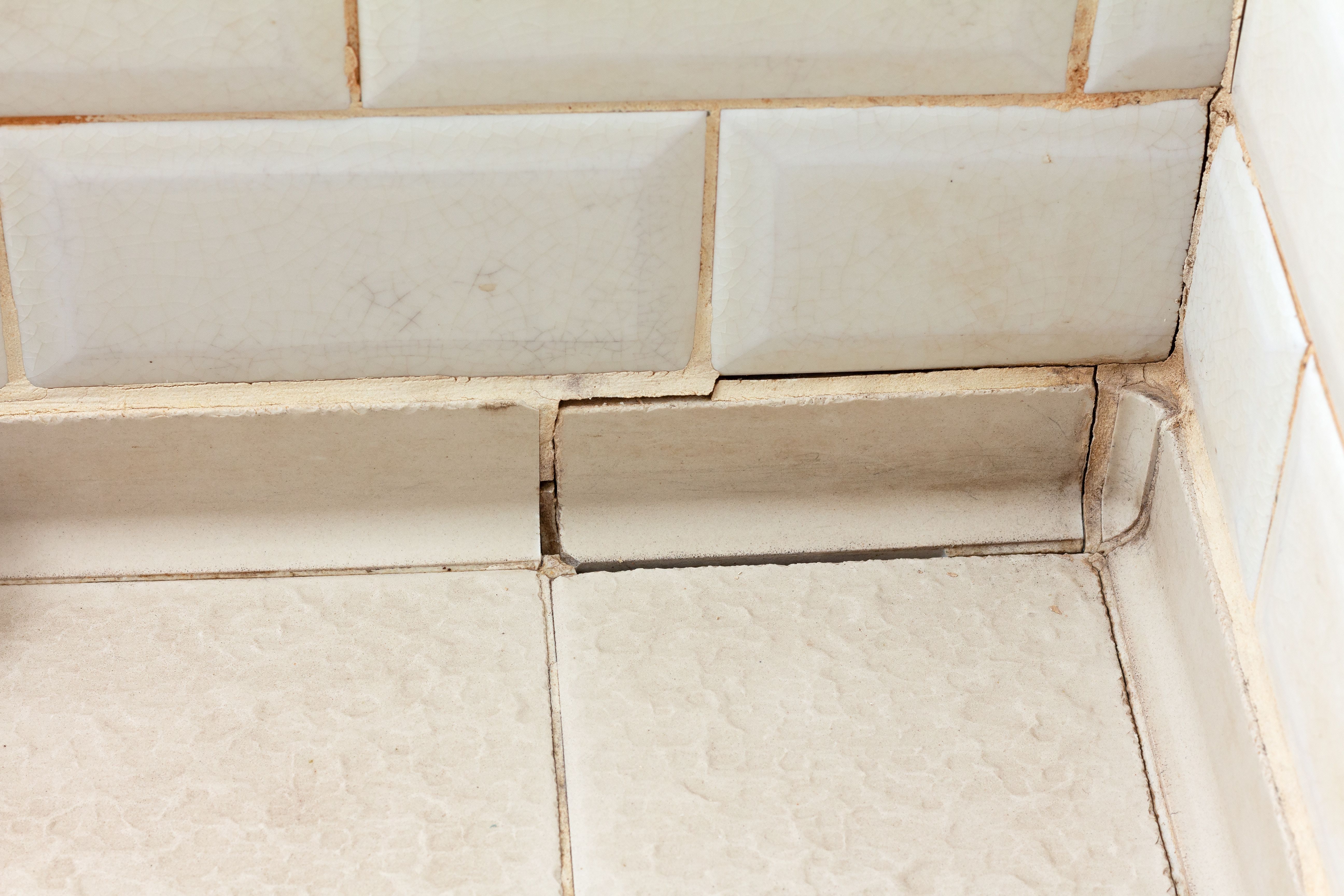
Repairing Cracked Grout
To repair grout, you will need a few basic tools: a grout saw, a sponge, and new grout. Follow these steps for a successful repair:
- Use the grout saw to carefully remove the damaged grout, being cautious not to damage adjacent tiles.
- Clean the area thoroughly to remove any dust and debris.
- Mix the new grout according to the manufacturer’s instructions. Match the existing grout color as closely as possible.
- Apply the grout with a rubber float, pressing it into the gaps.
- Wipe away excess grout with a damp sponge, being careful not to disturb the new grout lines.
Cleaning Mildew from Tile
Mildew on tiles is not only unsightly but can also pose health risks. It thrives in moist environments like bathrooms and kitchens. Regular cleaning and maintenance can help keep mildew at bay.

Effective Mildew Removal Techniques
To clean mildew from tiles, you’ll need a mixture of baking soda and water, white vinegar, a scrub brush, and a clean cloth. Here’s how you can tackle mildew effectively:
- Mix a solution of 10% Chlorine bleach with TSP (tri-sodium phosphate)
- Zep Mildew remover or Chlorox Foam Spray
- Apply the bleach-soap cleaner to the affected areas with a hand held or bug sprayer, let it sit for 5-10 minutes.
- Scrub the tiles with the brush to remove mildew stains.
- Rinse with clean water to remove slick residue from TSP. Use a squeegee or sponge mop to remove excess water from shower walls and or ceiling.
- Wipe down with a clean, damp cloth to remove residue.
Preventing Future Damage
Prevention is key in maintaining the condition of your grout and tiles. Regular cleaning and sealing your grout can protect it from moisture and staining. Consider applying a grout sealer once a year to keep it in optimum condition.
Additionally, ensure your bathroom or kitchen is well-ventilated to reduce humidity levels, which can contribute to mildew growth. Using a dehumidifier or installing an exhaust fan can help manage moisture. Cleaning exhaust fan periodically will help to evacuate steam.
By following these steps, you can repair grout and clean mildew effectively, ensuring your tiled surfaces remain beautiful and durable for years to come. Regular maintenance not only enhances the look of your home but also preserves its value.